What doctor designed XERF treatment involves
XERF is a radiofrequency treatment used to address concerns such as facial sagging, reduced elasticity and changes around the jawline and mouth. At ODE Clinic, XERF is performed using DEEP MODE, which delivers two radiofrequency frequencies during treatment. Rather than choosing a treatment solely by device name, patients benefit from discussing the areas that concern them and the changes they hope to see. The doctor’s assessment helps determine whether XERF is an appropriate choice and how the treatment should be planned.
How XERF uses radiofrequency energy
DEEP MODE XERF combines radiofrequency energy at 6.78 MHz and 2 MHz. The treatment is designed to deliver energy to deeper facial tissues as well as address skin elasticity. Its cooling system is intended to make treatment more comfortable, although patients can still experience discomfort. The approach differs from simply selecting a fixed number of shots: the doctor considers the treatment areas and the patient’s individual condition when developing a plan.
Radiofrequency treatments use controlled energy to heat tissue. In aesthetic dermatology, this approach is used to address firmness and the appearance of sagging, but the degree and timing of visible change differ from person to person. XERF is used for concerns that can include the jawline, the area around the mouth and the folds extending from the nose toward the mouth. Those concerns do not necessarily have the same cause or call for the same treatment approach.
During consultation, the doctor can explain which areas XERF is intended to address and how the proposed plan relates to your goals. Skin elasticity and facial contour are related, but they are not identical concerns. Making that distinction before treatment helps establish realistic expectations and gives you a clearer basis for discussing the plan.
XERF uses dual-frequency radiofrequency energy, but the device alone does not determine the treatment plan. A useful consultation starts with the patient’s concerns and an assessment of whether the proposed approach fits them.
What makes the treatment doctor designed
At ODE Clinic, the treatment process begins with a one-on-one consultation and design session with the chief director. The doctor discusses your concerns and develops a plan for the areas being considered. A further consultation follows to review and finalize that plan before the procedure. This sequence gives you an opportunity to ask questions and understand the proposed treatment rather than relying on a uniform approach.
A doctor-designed plan should connect a patient’s goals with what the treatment is intended to do. For example, someone concerned about looseness around the jawline can discuss that area directly, while another patient may be more focused on the skin around the mouth. The doctor can then explain how the proposed areas and treatment approach relate to those concerns.
It is also useful to discuss the expected timing of changes, how long effects may last, the cost and potential side effects. These considerations are part of choosing a treatment, not an afterthought. A plan should be clear to the patient before the procedure begins. If you are uncertain about a recommendation, the follow-up consultation is a suitable time to ask for clarification.
Who may consider XERF
XERF may be worth discussing if you are concerned about facial sagging, reduced skin elasticity or changes along the jawline. The area around the mouth and nasolabial folds are also concerns addressed in the XERF treatment information. A consultation is important because a similar-looking concern can have different features from one person to another. The doctor can assess your condition and explain whether XERF fits your goals.
Before your visit, consider which changes bother you most and whether your priority is firmer-looking skin, a change in facial contour or both. You can also bring questions about discomfort, recovery and the expected course of treatment. If you have a medical condition, an implanted device or a history of cosmetic procedures, tell the doctor so these details can be considered when planning your care.
| Step | What happens at ODE Clinic |
|---|---|
| Arrival | You visit the clinic. |
| Consultation and design | The chief director meets with you one-on-one to design the treatment. |
| Follow-up consultation | The treatment plan is reviewed and finalized. |
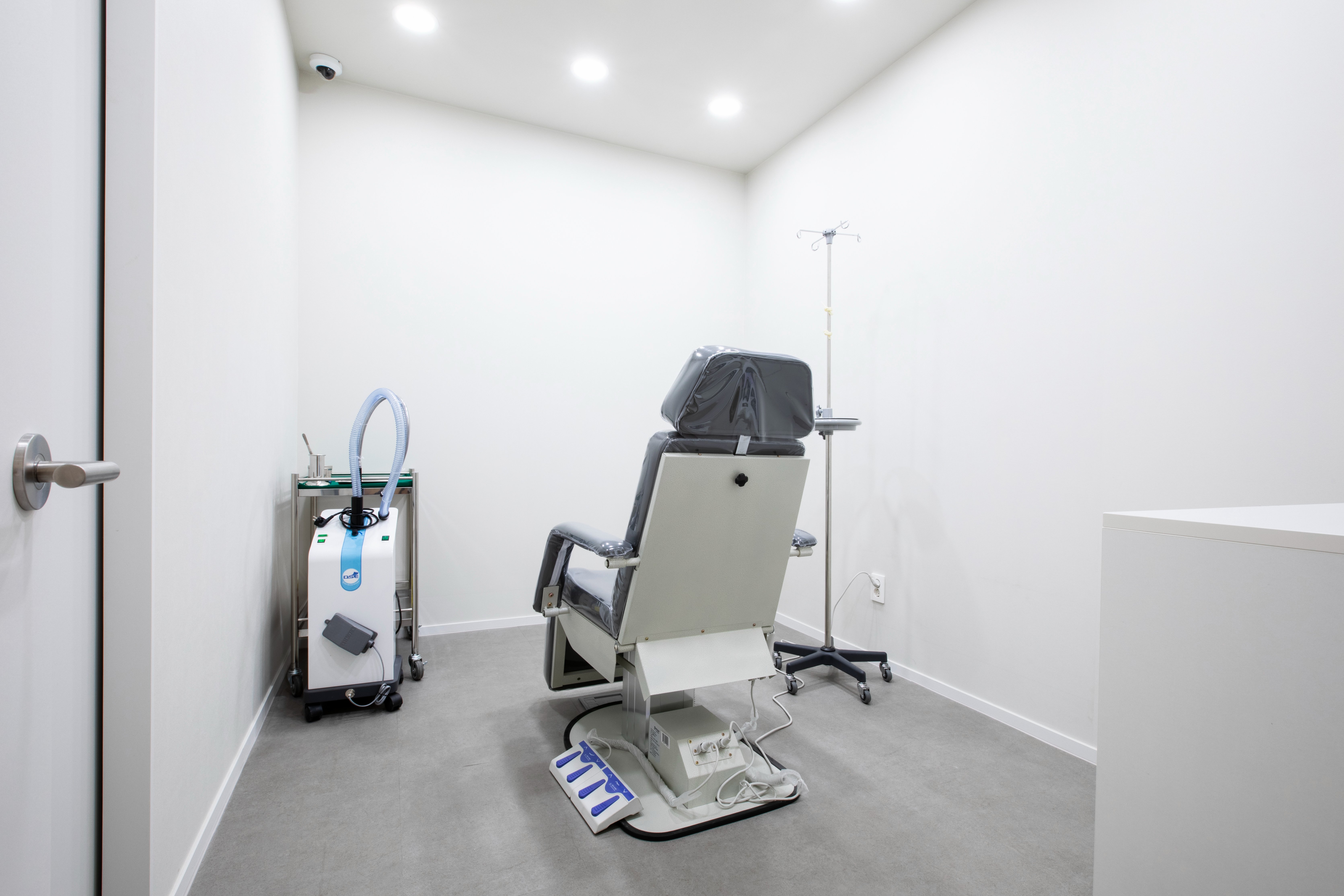
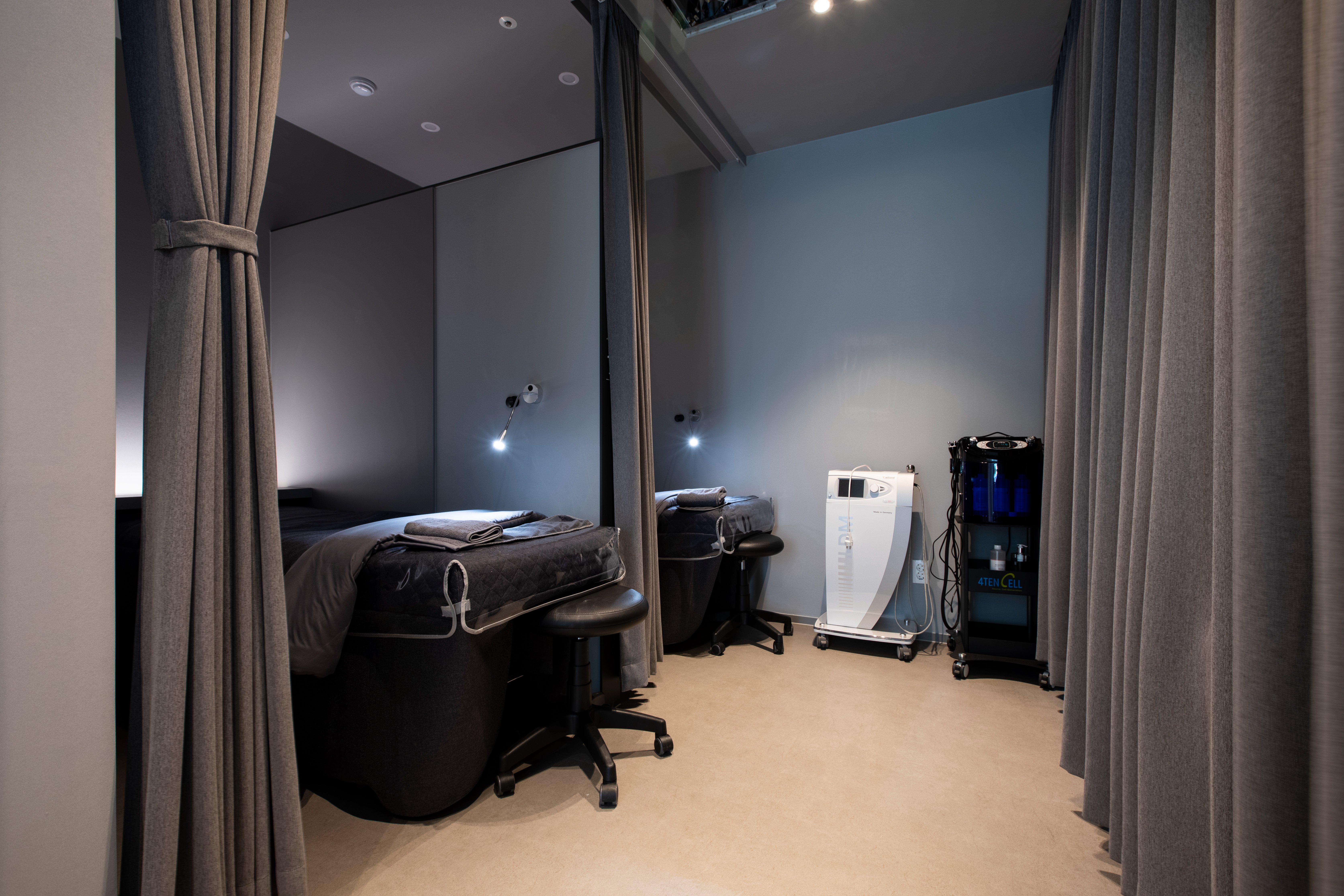
| Procedure | Treatment takes place in a private, single-person room. |
| Customized care | Post-procedure management is tailored to the patient. |
| Departure | You return home after the services are complete. |
The sequence is designed to give patients time to understand the plan before treatment and receive guidance afterward. It is not necessary to arrive knowing which settings or treatment areas you need. Instead, focus on describing your concerns accurately and asking how the proposed approach addresses them. If your goals or circumstances suggest another direction, the doctor can discuss the options during consultation.
How the doctor designed XERF treatment process is planned
A useful treatment plan begins with a conversation, followed by an assessment and a clear explanation of the proposed procedure. At ODE Clinic, the chief director conducts the initial one-on-one consultation, and a follow-up consultation is used to finalize the plan. The aim is to align the treatment areas and approach with your individual concerns, rather than apply the same design to everyone. You can use both conversations to discuss what matters to you and what to expect.
Discussing your goals with the doctor
Start by identifying the areas you would like to discuss and the changes you have noticed. You might be concerned about the appearance of the jawline, looseness around the mouth or a broader loss of firmness. Explain whether a particular area is your priority and what kind of change you hope for. The doctor can use that information alongside the assessment to explain the role XERF may play.
Previous treatment history is also relevant to the conversation. Tell the doctor about procedures you have had and any concerns you experienced afterward. Share your health history and any current issues that could affect the decision to proceed. You do not need to decide in advance whether a detail is important; providing a clear account allows the medical staff to consider it in context.
Ask the doctor to describe the proposed treatment areas and why each area has been included. You can also ask how the expected changes relate to your main concern and whether the treatment is appropriate for your situation. This discussion is particularly useful when the word lifting means something different to you than it does in a treatment description. A shared understanding helps keep expectations practical.
The consultation is where a general interest in XERF becomes an individual plan. Describe your priorities clearly, and ask the doctor to explain how the proposed treatment addresses them.
Reviewing the plan before the procedure
After the initial consultation and design, ODE Clinic includes a further consultation to finalize the treatment plan. This is a chance to revisit the areas being treated, the proposed shot count and any practical concerns. If you are unsure what a treatment term means, ask for a plain-language explanation. You should understand what has been agreed before moving on to the procedure.
The number of shots is one part of the plan, but it should be considered alongside the areas being treated and the doctor’s assessment. A higher number alone does not explain how treatment will be distributed or what change an individual patient can expect. Ask how the proposed shot count relates to your concerns and whether the plan is intended for a focused area or a broader treatment area.
Cost is another point to settle before treatment. ODE Clinic lists DEEP MODE XERF at KRW 1,000,000 for 300 shots, excluding VAT. The proposed plan and total charge depend on what is agreed during consultation. You can ask for the applicable cost, including tax, before deciding whether to proceed. This keeps the discussion grounded in the treatment you are actually considering.
Questions that help clarify the plan
Useful questions are specific to your goals. Ask which concerns the doctor expects XERF to address, which areas will be treated and how the proposed shot count was selected. You can also ask what discomfort to expect and what instructions to follow afterward. If timing matters to you, discuss your schedule and ask when changes may become noticeable for your individual condition.
It is reasonable to ask about potential side effects as well as the intended benefits. The doctor can explain the considerations relevant to your health and treatment plan. Be open about any uncertainty or discomfort with the proposed approach. An informed decision does not require you to know every technical detail, but it should leave you comfortable with the purpose, process and practical implications of treatment.
After the plan is finalized, treatment takes place in a private, single-person room. The medical staff then provide personalized post-procedure management before departure. Keep the instructions you receive and follow the advice given for your circumstances. If a question arises after you leave, contact ODE Clinic rather than relying on assumptions about what is normal for everyone.
What to expect after doctor designed XERF treatment
After XERF, the focus shifts from treatment design to following the care plan and observing changes over time. ODE Clinic provides personalized post-procedure management as part of the visit. The doctor can explain what to watch for and how to respond to concerns based on your treatment. Changes may take time depending on individual condition, and the appearance or duration of results should not be assumed in advance.
Understanding treatment and recovery
DEEP MODE takes longer than other XERF modes; the treatment information describes it as taking approximately one and a half times as long. Your overall visit also includes consultation, plan review and personalized care, so procedure time is only part of the appointment. The cooling system is intended to reduce discomfort, but it does not mean that treatment is sensation-free. Discuss any concerns about comfort with the doctor beforehand.
After the procedure, follow the instructions given by the medical staff for your individual circumstances. Ask when you can return to your usual skin care routine and whether there are activities you should avoid. Because care is personalized, the advice you receive should take precedence over a generic checklist. If you have an upcoming event or travel plans, mention them during consultation so you can discuss the timing of treatment and follow-up.
Pay attention to how your skin feels after you leave. If you have a symptom that concerns you, contact the clinic for advice, particularly if it is severe, persistent or worsening. The goal is not to predict every response in advance, but to understand whom to contact and what guidance applies to you. Before departure, make sure you know how to raise a post-treatment question.
Recovery advice is most useful when it is specific to the treatment you received. Follow the medical staff’s instructions, and seek advice if a post-treatment symptom concerns you.
Assessing changes over time
Patients may notice changes at different times, and the extent of change can vary. Rather than expecting a fixed result on a fixed date, discuss the anticipated course with the doctor. ODE Clinic uses skin diagnostic photographs for before-and-after comparisons and follow-up consultations. These comparisons can provide a structured way to review changes that are difficult to judge from memory alone.
When assessing a treatment, return to the goals discussed during consultation. If your primary concern was the jawline, for example, ask the doctor to review that area rather than judging the procedure against an unrelated concern. Photographs can support the discussion, but a follow-up conversation is also an opportunity to describe what you have noticed and ask questions about the changes.
Results and their duration differ among patients. The doctor can discuss the expected course in the context of your condition and treatment plan. Avoid assuming that another person’s timeline will match yours or that a particular treatment will address every concern. A measured review gives you a more useful basis for deciding whether any further care should be considered.
Points to consider before treatment
Every procedure involves a balance of potential benefits and considerations. Discuss discomfort, possible side effects, expected timing and cost with the doctor before making a decision. Share your medical history and prior procedures honestly, and ask how those details affect the recommendation. XERF is one option for concerns involving facial sagging and elasticity; whether it is appropriate depends on the individual assessment.
A treatment plan should also fit your priorities. If you are mainly concerned about one area, ask whether the proposed approach focuses on that concern. If you are uncertain about the likely degree of change, request a clear explanation rather than relying on a treatment name or shot count. The doctor can help you understand the intended purpose and the limits of what can be predicted.
ODE Clinic’s approach emphasizes listening to patients, tailoring treatment and maintaining consistent care before and after a procedure. Bring your questions to the consultation and take the time you need to understand the recommendation. The most useful plan is one you can discuss openly with the doctor and follow with a clear understanding of the next steps.



Frequently Asked Questions
Q.What kind of care does ODE Clinic offer?
A.ODE Clinic provides dermatology care, including DEEP MODE XERF for facial sagging and skin elasticity concerns. Treatment planning begins with a one-on-one consultation with the chief director.
Q.Who might want to discuss XERF at ODE Clinic?
A.Patients concerned about facial sagging, reduced elasticity or changes around the jawline and mouth may want to discuss XERF. The doctor assesses whether it is appropriate for each patient.
Q.How does ODE Clinic plan and perform XERF?
A.The chief director designs the treatment during a consultation, followed by a further consultation to finalize the plan. The procedure takes place in a private room, with personalized post-procedure care.
Q.What should I prepare before my consultation?
A.Be ready to describe your main concerns, health history and previous cosmetic procedures. You can also prepare questions about the proposed treatment areas, discomfort, cost and aftercare.
Q.Where is ODE Clinic, and how can I contact the clinic?
A.ODE Clinic is at 8F, Gyeongwon Building, 340 Gangnam-daero, Gangnam-gu, Seoul, Korea. Call +82 2-569-0222 to ask about an appointment.
Clinic Information
| Clinic | Ode Clinic |
|---|---|
| Specialty | Dermatology |
| Address | Seoul, Gangnam District, Gangnam-daero, 340 8F |
| Phone | +82 2-569-0222 |
| Website | https://odeclinicseoul.com/en |
 Ode Clinic