How a non factory clinic Seoul approaches care
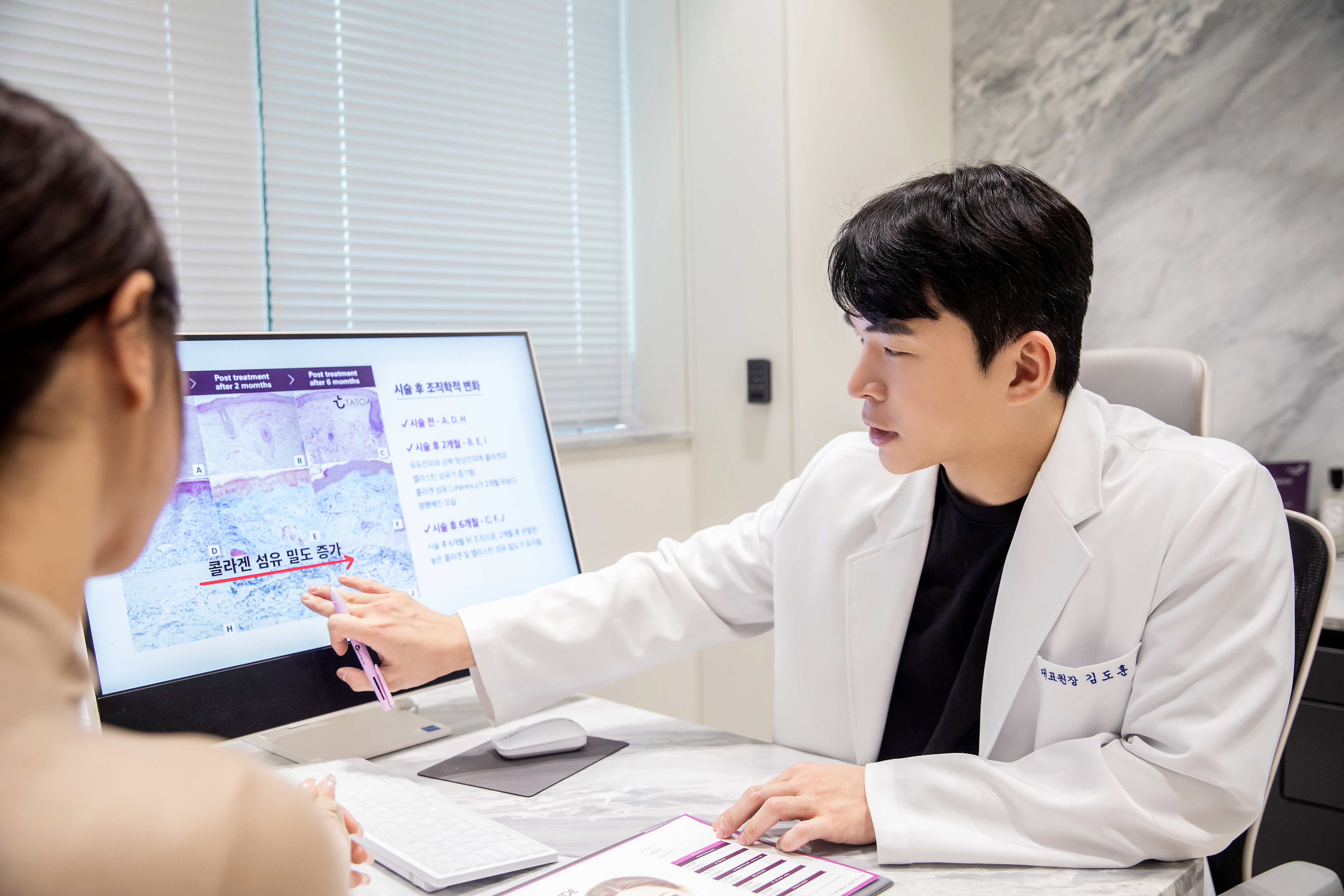
The phrase non-factory clinic describes an approach centered on individual assessment rather than a uniform treatment plan. At Ode Clinic, the doctor who performs the procedure provides the consultation, helping patients understand their options before deciding on treatment. The discussion can include facial anatomy, skin condition, treatment goals, and practical considerations. Patients do not need to choose a procedure before their consultation. A useful starting point is to describe what concerns you and what kind of change you hope to see.
Direct consultation with the treating doctor
At Ode Clinic, consultation begins with a discussion of the patient’s concerns and an assessment by the treating doctor. This matters because similar concerns can have different underlying features. For example, a patient who notices a change around the cheeks may be concerned about volume loss, skin laxity, or both. The doctor can explain which treatment categories address each concern and whether a proposed procedure fits the patient’s goals.
A direct conversation also gives patients an opportunity to discuss priorities beyond the treatment area. Some may prefer a plan that focuses on skin texture, while others may want to address facial contours. The doctor can review the expected timing of changes, how long effects may last, cost, and potential side effects. These considerations are part of making an informed choice rather than assuming that one procedure is appropriate for everyone. Bring questions about previous treatments and any concerns about discomfort or recovery. Sharing relevant medical history and current medications can also help the doctor assess treatment suitability. If a recommendation is unfamiliar, ask what it is intended to address and why it is being considered for your particular concern.
Personalized care starts with understanding the concern, not selecting a device in advance. A direct consultation gives the patient and treating doctor a chance to discuss the purpose and practical considerations of a proposed plan.
What the care process includes
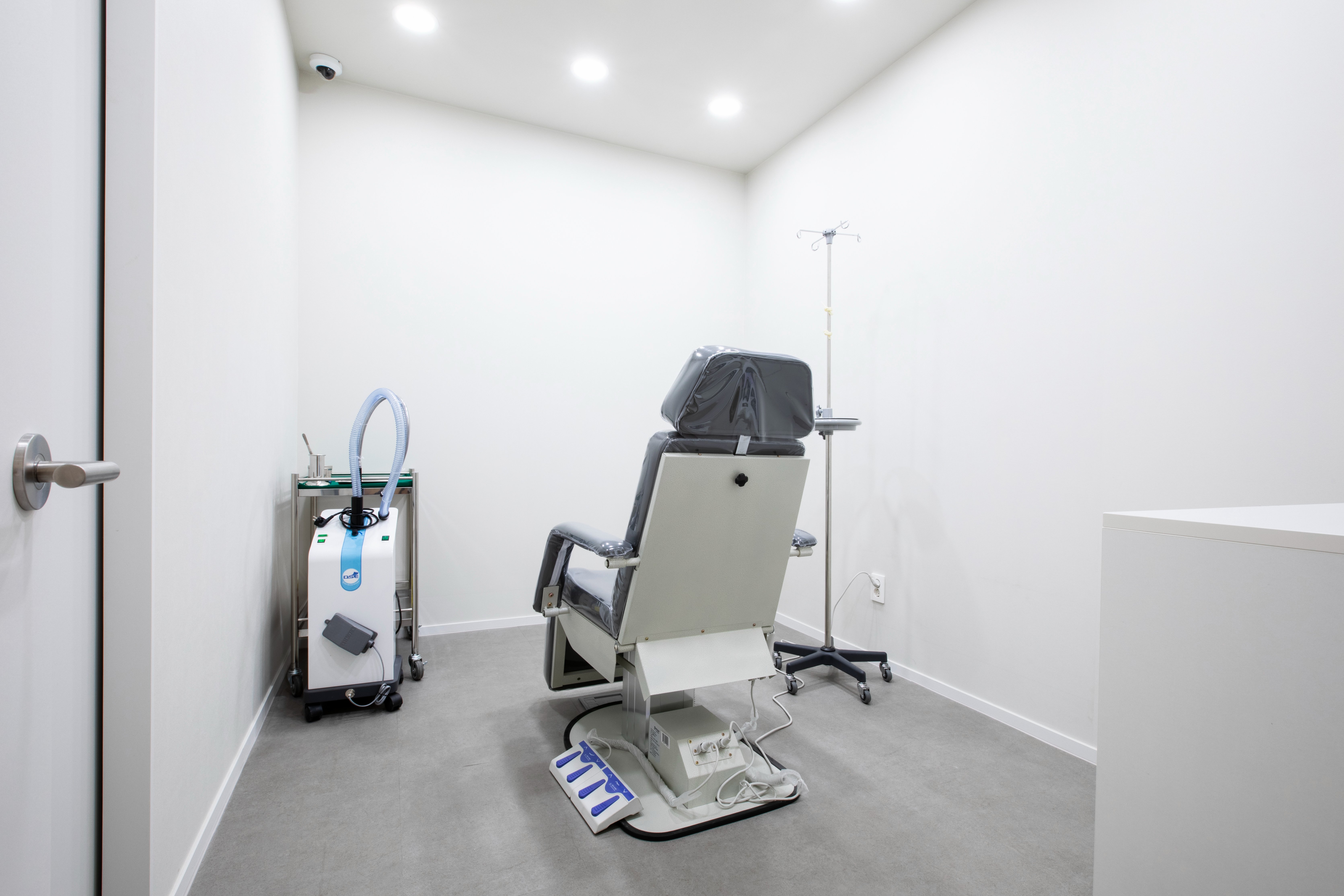
Ode Clinic’s care process includes arrival, individual consultation and treatment design, re-consultation, a procedure in a private room, customized care, and departure. The consultation is an opportunity to explain the intended treatment area and ask how the plan will be carried out. Re-consultation provides another point in the process to discuss the proposed approach before treatment.
The clinic also uses diagnostic photographs for before-and-after comparisons and offers follow-up consultations to review changes. Photographs can provide a reference when changes develop gradually or are difficult to assess from memory alone. They do not, however, predict an individual outcome. When discussing a proposed procedure, ask the doctor what changes the treatment is intended to address and when it would be reasonable to assess them. Changes may take time depending on the treatment and individual condition. Ode Clinic also states that it uses genuine products and precise dosages. Patients considering an injectable treatment can ask which product is proposed, how much is planned, and why it has been selected for the treatment area.
Who may find this approach useful
This approach can be useful for people who know what bothers them but are unsure which procedure addresses it. Concerns discussed at Ode Clinic include under-eye hollows, nasolabial folds, hollow cheeks, sagging around the mouth, and changes along the jawline. A patient may also seek advice about skin texture or a body treatment. The doctor’s assessment helps distinguish a treatment goal from a particular product or device.
It can also help patients who are comparing treatments with different mechanisms. A volume treatment, for example, has a different purpose from a procedure that uses energy to address skin firmness. Asking about these distinctions can make a consultation more productive. Rather than focusing only on a treatment name, consider describing the area of concern, when you noticed the change, and which aspects matter most to you.
Before visiting, make a short list of your questions and relevant treatment history. If you have had procedures in the same area, tell the doctor what was done and when, if you know. You can also ask about the proposed treatment sequence, anticipated recovery, and follow-up. This preparation supports a discussion tailored to your circumstances without requiring you to arrive with a fixed treatment plan.
Services at a non factory clinic Seoul: treatment options
Ode Clinic’s services cover volume, lifting and tightening, skin boosters, anti-aging care, and body programs. These categories address different concerns, so the treatment name alone does not explain whether a procedure is suitable. The doctor considers the area being treated and the patient’s goals when discussing options. Some treatments use injectable products; others use ultrasound, radiofrequency, or microwave energy. The following overview explains how selected services differ and what to discuss during consultation.
Volume treatments and facial contours
Volume treatments are discussed for concerns such as hollow cheeks, under-eye hollows, and nasolabial folds. Ode Clinic offers options including Hilowave, Juvelook Volume, Sculptra, and ODE Filler. These products are not interchangeable: their formulations and intended uses differ. The doctor can assess the treatment area and explain whether a volume-focused approach is appropriate, including how the proposed product is expected to work and how its effects may develop.
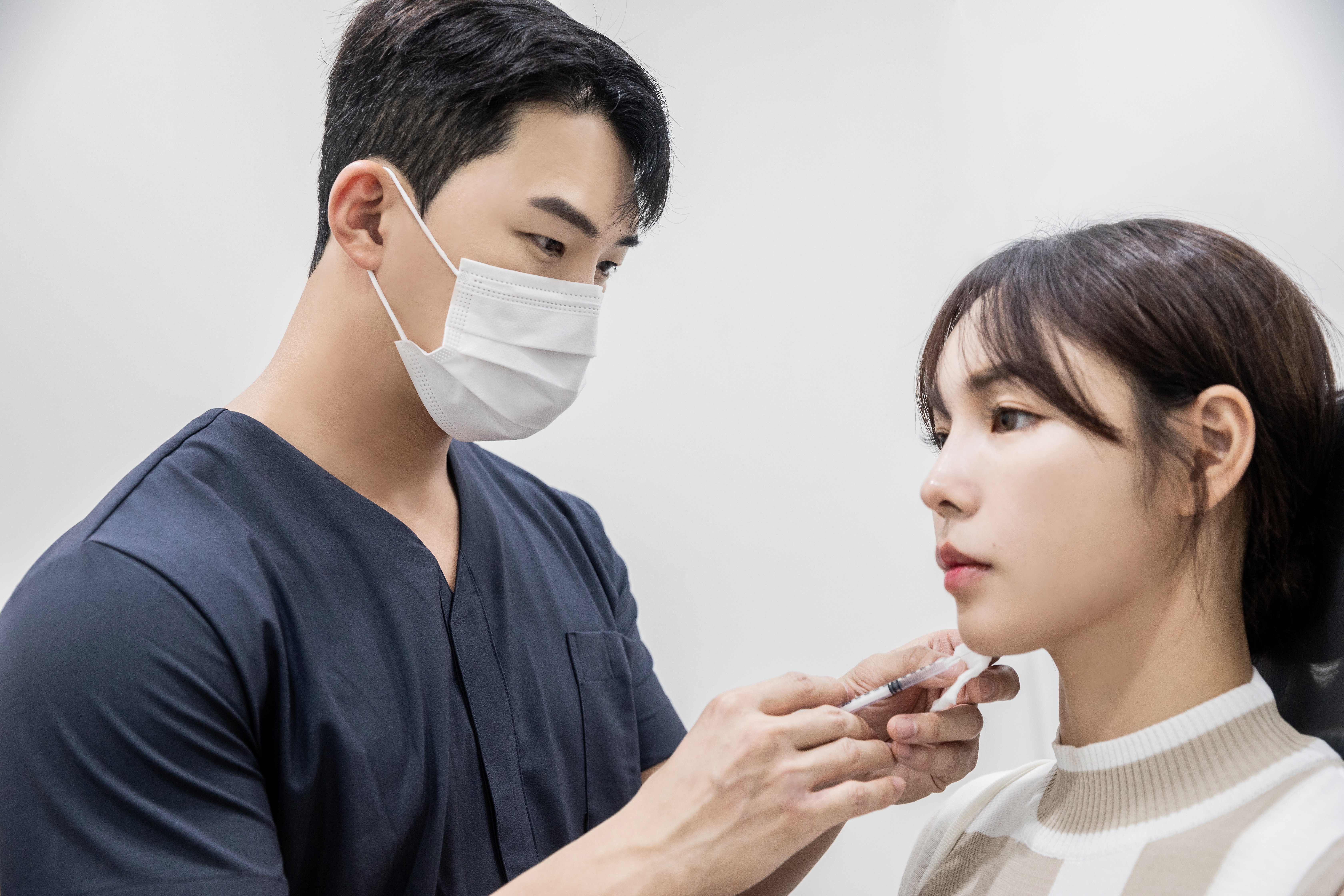
Hilowave contains a hyaluronic acid complex and is used for facial volume and hydration. Juvelook Volume and Sculptra are collagen-stimulating treatments intended to address volume concerns over time. ODE Filler is another option for selected facial areas. Choosing among these treatments requires more than matching a product to a concern on a list. The doctor should consider the location, the patient’s anatomy, previous procedures, and the desired degree of change. Ask about the product, planned amount, expected timing, and potential risks before proceeding. Injectable treatments can cause effects such as swelling or bruising, and the doctor should explain product-specific risks and aftercare. The clinic’s stated practice is to use genuine products in precise dosages.
Volume treatments and energy-based treatments serve different purposes, even when they are discussed for the same facial area. The treating doctor can explain which concern a proposed procedure addresses and what to consider before choosing it.
Lifting and tightening options
Ode Clinic offers lifting and tightening treatments including Ultherapy Prime, Thermage FLX, DEEP MODE XERF, and Density Alpha. Ultherapy uses focused ultrasound, while Thermage and the other radiofrequency options use energy to heat tissue. These procedures are discussed for concerns such as sagging or reduced firmness, but their treatment approaches differ. The doctor can explain which concern a particular option is intended to address.
Lifting and tightening are useful terms to clarify during consultation. A patient primarily concerned about a change in facial contours may be discussing a different goal from someone who wants to address skin firmness or fine lines. Thermage, for example, uses radiofrequency energy and is associated with gradual collagen remodeling; visible changes can take time. Ultherapy uses focused ultrasound and is discussed for areas affected by sagging. Density Alpha uses sequential bipolar and monopolar radiofrequency. Treatment planning also considers facial volume, since the goal is not simply to apply the same device or settings to every patient. Ask the doctor about the intended treatment areas, expected sensation, possible side effects, and how the plan relates to your priorities.
Skin boosters and body programs
Skin boosters are another category available at Ode Clinic. Options include Re2O, CellREDM, Juvelook Skin, Rejuran, and Skinvive. These treatments have different formulations and are discussed for concerns such as hydration, texture, fine lines, pores, or elasticity. Juvelook Skin is distinct from Juvelook Volume: the former is used as a skin booster, while the latter is a volume treatment. The doctor can explain which approach corresponds to the concern being assessed.
For body concerns, Ode Clinic offers Body ONDA and Emsculpt Neo. Body ONDA uses microwave energy and is offered for areas including the upper arms, abdomen, and thighs. Emsculpt Neo combines radiofrequency and electromagnetic energy and is offered for body contouring. These programs are separate from facial treatments such as Onda Lifting. The doctor can discuss the proposed area, treatment plan, and considerations for each option.
| Treatment | Category | Approach |
|---|---|---|
| Juvelook Volume | Volume | Collagen-stimulating injectable treatment |
| Ultherapy Prime | Lifting | Focused ultrasound |
| Thermage FLX | Tightening | Radiofrequency |
| Juvelook Skin | Skin booster | Injectable collagen-stimulating treatment |
| Body ONDA | Body program | Microwave energy |
The table is a starting point, not a treatment recommendation. A single concern can involve more than one feature, and procedures within the same category can differ in formulation or technique. During consultation, ask the doctor to explain the intended role of each proposed treatment and whether an alternative would address your main concern differently. Understanding the reason for a recommendation is more useful than choosing solely by category or familiarity with a name.
Planning a visit to a non factory clinic Seoul
A productive visit begins with a clear description of your concerns and an open discussion of the options. At Ode Clinic, the treating doctor can review the proposed plan with you, including the treatment area, expected timing, cost, and potential side effects. The right questions depend on the procedure being considered. An injectable product and an energy-based treatment require different explanations, so ask for details specific to the option recommended for you.
Questions to ask about your treatment plan
Start by asking what the doctor observed and which concern the proposed treatment is intended to address. If you are considering more than one procedure, ask how their purposes differ. You can also ask whether the plan focuses on volume, firmness, skin texture, or a combination of concerns. This helps establish a shared understanding before discussing products, equipment, or treatment scheduling.
Next, ask about practical details: the proposed treatment area, how the procedure is performed, what sensations to expect, and what care is recommended afterward. If an injectable product is proposed, ask for its name and planned amount. For an energy-based treatment, ask how the doctor will decide on the treatment approach for the area being assessed. It is also reasonable to discuss how changes will be reviewed and whether follow-up photographs would be useful. Ode Clinic uses diagnostic photographs and follow-up consultations for before-and-after comparison. Finally, ask about the expected timing and potential side effects for the specific procedure. A clear explanation of both the intended benefit and the considerations involved supports an informed decision.
A good consultation connects each proposed treatment to a specific concern and explains what the patient should expect. Take the opportunity to discuss the procedure, its practical implications, and how changes will be assessed.
Points to consider before treatment
Every treatment decision involves a balance between the intended benefit and individual considerations. Depending on the procedure, these can include discomfort, temporary skin reactions, recovery, and the timing of visible changes. The treating doctor should explain the relevant risks for the proposed option. Patients should also share their medical history, current medications, allergies, and previous treatments so these can be considered during assessment.
It is useful to discuss expectations in specific terms. For example, explain whether your priority is a softer appearance around a fold, improved skin texture, or a change in facial contours. The doctor can then describe what the proposed treatment is designed to address and discuss any limitations. Some changes develop gradually, and the time frame depends on the procedure and individual condition. If more than one treatment is discussed, ask why each is being considered and how the sequence would be planned. You can also ask what to do if you experience an unexpected reaction afterward. These questions are relevant whether you are considering a skin booster, a volume treatment, or an energy-based procedure.
Cost, preparation, and follow-up
Cost depends on the procedure and the treatment plan. When discussing fees, ask what is included in the proposed plan and whether the price relates to a specific product amount, treatment area, or session. This makes it easier to compare options without assuming that different treatments serve the same purpose. The doctor can also explain how the proposed plan relates to your priorities and the changes you are seeking.
Before the appointment, note any previous procedures and prepare a list of medications and relevant health concerns. If you have questions about treatment preparation or recovery, raise them during the consultation. Instructions can differ according to the procedure, so follow the guidance given for your individual plan rather than assuming the same preparation applies to every treatment.
After treatment, follow the instructions provided by the medical staff and attend any recommended follow-up. Ode Clinic uses diagnostic photographs to support comparisons and offers follow-up consultations to review changes. If you are unsure what a normal recovery should look like, ask the medical staff what to expect and when to contact the clinic. A follow-up discussion can also help you understand the progress of a treatment whose changes develop over time.



Frequently Asked Questions
Q.What kind of care does Ode Clinic offer?
A.Ode Clinic is a dermatology clinic offering volume treatments, lifting and tightening, skin boosters, anti-aging care, and body programs. The doctor who performs the procedure provides the consultation.
Q.Who might consider a consultation at Ode Clinic?
A.A consultation may be useful for someone concerned about under-eye hollows, nasolabial folds, hollow cheeks, sagging around the mouth, or changes along the jawline. It can also help patients who are unsure which treatment category addresses their concern.
Q.What treatments can be discussed during a consultation?
A.Options include volume treatments such as Juvelook Volume, lifting and tightening treatments such as Ultherapy Prime and Thermage FLX, and skin boosters such as Re2O and Juvelook Skin. The treating doctor can explain which options are relevant to the concern being assessed.
Q.What should I prepare before visiting?
A.Bring questions about your concerns and be ready to discuss relevant medical history, medications, and previous treatments. You can also ask about the proposed procedure’s cost, expected timing, and potential side effects.
Q.Where is Ode Clinic, and how can I contact the clinic?
A.Ode Clinic is at 8F, Gyeongwon Building, 340 Gangnam-daero, Gangnam District, Seoul. The phone number is +82 2-569-0222.
Clinic Information
| Clinic | Ode Clinic |
|---|---|
| Specialty | Dermatology |
| Address | Seoul, Gangnam District, Gangnam-daero, 340 8F |
| Phone | +82 2-569-0222 |
| Website | https://odeclinicseoul.com/en |
 Ode Clinic