
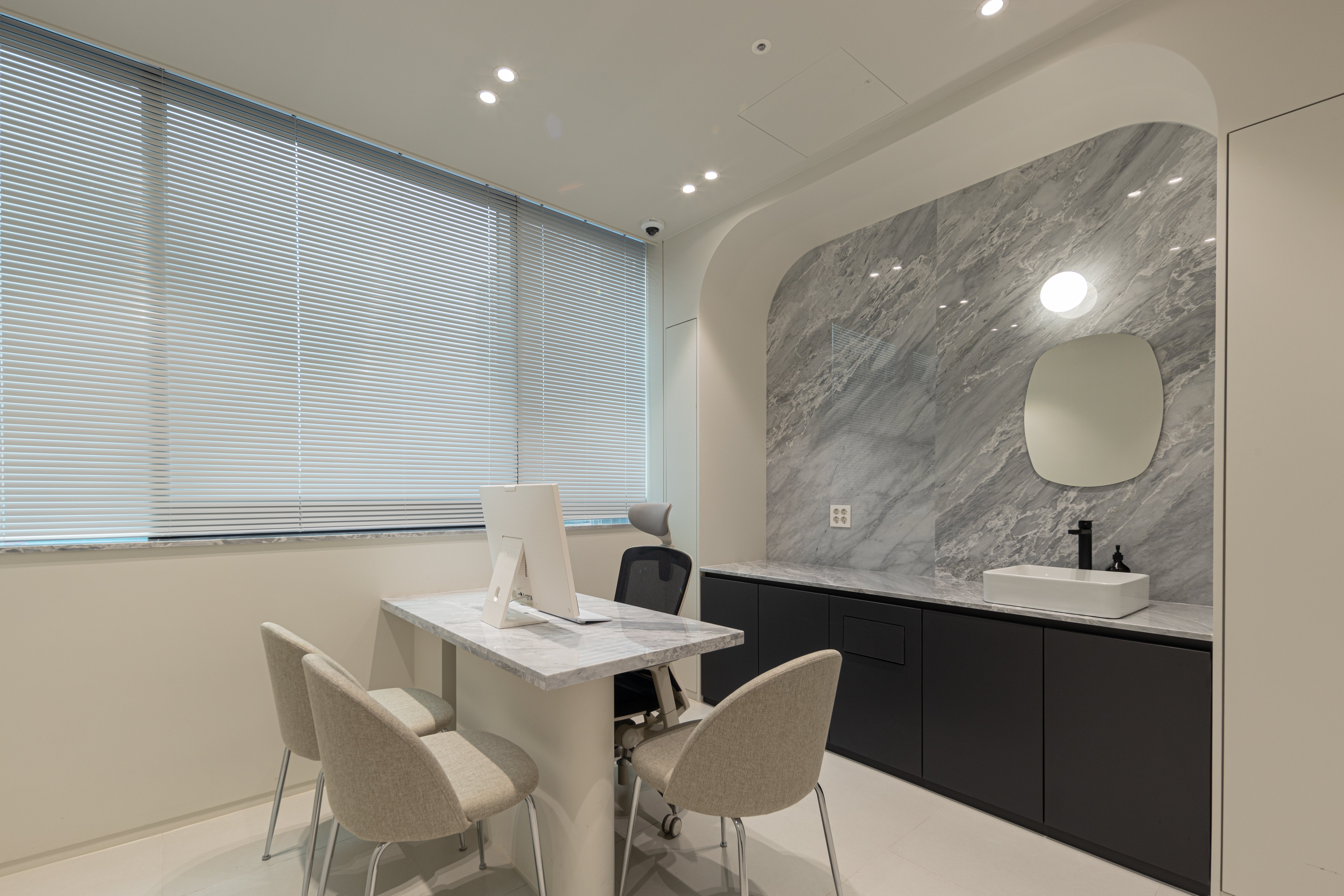
How a customized Thermage treatment plan begins
A useful plan begins by clarifying what you want to address, rather than assuming one treatment suits every concern. Thermage FLX is a monopolar radiofrequency treatment intended to improve skin firmness, texture, and wrinkles through collagen contraction and remodeling in the dermis. During a consultation at ODE Clinic, the treating doctor discusses your concerns and considers whether Thermage fits your goals. The first decision is whether tightening is the right focus for your individual needs. That conversation provides the basis for deciding on timing and next steps.
Start with your concerns and goals
Before consultation, consider which changes matter most to you, such as skin firmness, texture, or wrinkles. It can also help to explain what you hope a treatment will and will not do. These details let the doctor discuss whether Thermage FLX aligns with your priorities. A clear goal is more useful than choosing a device before discussing your concerns. If you are unsure how to describe what you want, the consultation is an opportunity to talk it through.
Thermage is a tightening treatment, not a promise of a dramatic change in facial contour. Its radiofrequency energy is used to support collagen contraction and remodeling in the dermis, and changes may develop gradually. The doctor can explain how that mechanism relates to your concerns and what expectations are reasonable for your situation. Being specific about the outcome you value helps keep the plan grounded. It also makes it easier to discuss whether Thermage alone addresses your priority or whether another approach should be considered in a separate consultation.
Use consultation to assess suitability
ODE Clinic’s approach includes direct consultation with the doctor who performs the procedure. The conversation can cover your concerns, treatment timing, the expected course of change, and practical considerations. You do not need to arrive with a fully formed treatment plan. The purpose of consultation is to review your needs and discuss an approach that is not simply uniform from one patient to another.
During consultation, describe relevant preferences and ask questions about the treatment process. The doctor can explain what Thermage FLX is designed to address and how its gradual collagen remodeling differs from an immediate change in appearance. The clinic’s treatment recommendations take account of patient needs, timing of results, duration of effects, cost, and potential side effects. This provides a structured basis for deciding whether to proceed. A treatment plan should reflect both your goal and a realistic understanding of the treatment. If your priorities are unclear, take time to discuss them before making a decision.
Set expectations for gradual change
Thermage FLX uses radiofrequency energy to induce collagen contraction and remodeling. ODE Clinic describes changes as gradual, with development over about six months. This timeline is useful when deciding when to assess the treatment and how to plan follow-up. It is not a guarantee that every person will notice the same changes at the same time.
When considering a treatment, distinguish the procedure’s intended effect from an individual result. Thermage is described as improving firmness, texture, and wrinkles, while the degree and timing of visible change depend on individual condition. The consultation is the place to ask how these aims relate to your skin and what follow-up may be appropriate. Plan for an assessment over time rather than judging the treatment only by an immediate appearance. The doctor can also discuss whether the annual treatment cycle is relevant to your situation and preferences.
It is reasonable to ask what the procedure involves, how progress is considered, and what the next step would be if your concern is not addressed by tightening. Clear answers help you make an informed decision without relying on assumptions. Keep the goal, expected timing, and follow-up discussion connected as parts of one plan.
Personalization starts with understanding the concern, then matching expectations to what Thermage FLX is designed to do. A direct consultation helps make the decision and timing specific to the individual.
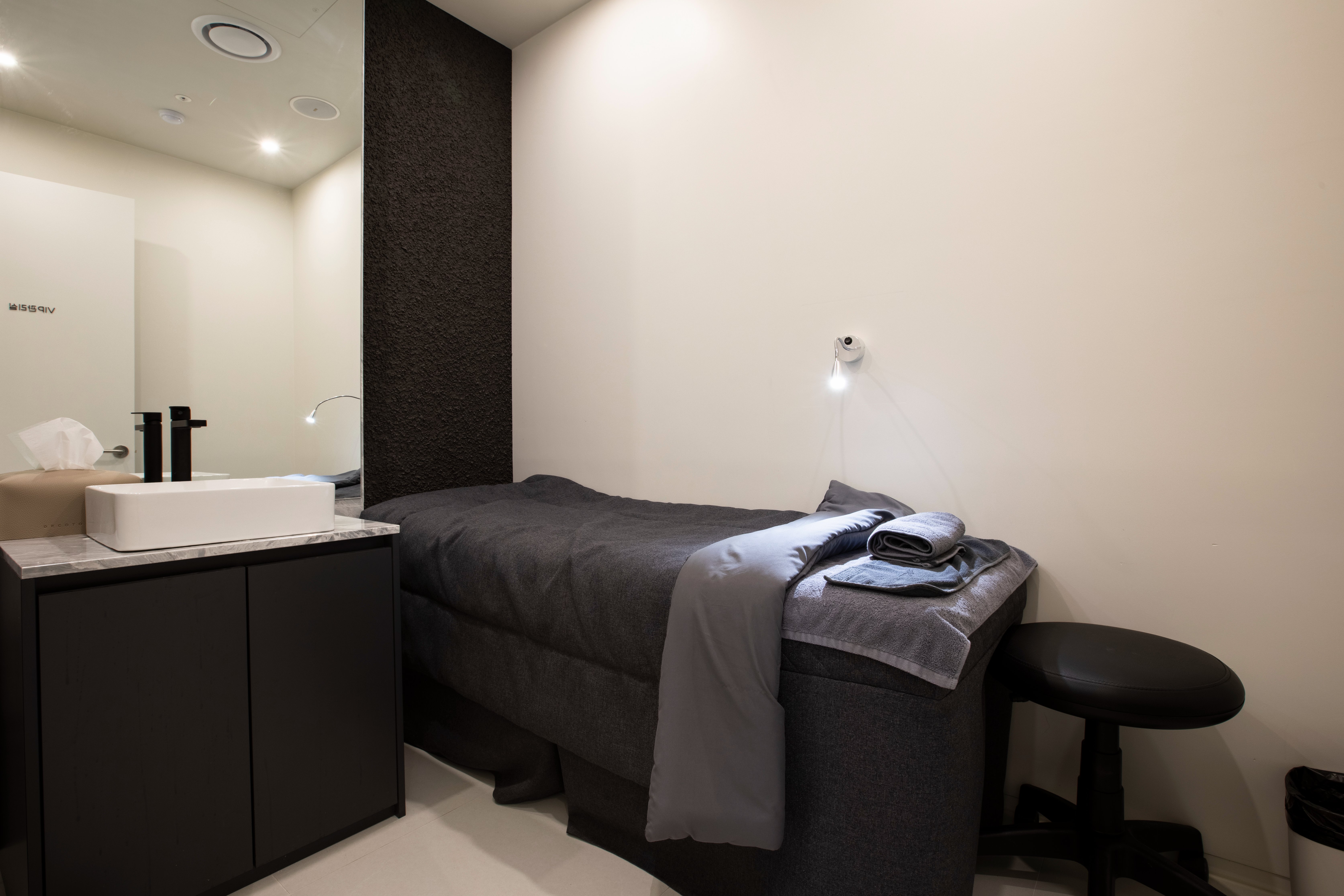
Designing a customized Thermage treatment plan around your needs
A customized plan connects the treatment’s purpose to your priorities and circumstances. Thermage FLX is used for radiofrequency tightening, with effects related to collagen contraction and remodeling in the dermis. At ODE Clinic, consultation is designed to address individual needs rather than apply a uniform recommendation. The doctor can discuss whether this treatment is appropriate, when to consider it, and what to expect as changes develop. The plan should be based on your concerns, not on a preset assumption that everyone needs the same approach.
Match the treatment to the concern
People may seek treatment for different reasons, including concerns about skin firmness, texture, or wrinkles. Since Thermage FLX is described as a tightening treatment, the doctor should first understand which concern is most important to you. This helps clarify whether the treatment’s purpose matches your goal. A consultation can also help distinguish a desire for firmer-looking skin from expectations about more dramatic contour changes.
Explain your priorities in plain terms and ask how the treatment relates to them. Thermage FLX delivers monopolar radiofrequency to the dermis, where it supports collagen contraction and remodeling. That mechanism informs the treatment’s intended role, but it does not mean that every concern will respond in the same way. The doctor can discuss how your individual needs and timing influence the recommendation. When the goal and the treatment purpose are aligned, it is easier to set realistic expectations. If another concern becomes more important during the discussion, the plan can be reconsidered rather than following a fixed template.
Consider timing and treatment course
Timing matters because changes from Thermage FLX may be gradual, developing over about six months. Discuss upcoming commitments and when you would prefer to review progress. This helps establish a practical schedule for treatment and follow-up without assuming that an immediate visible change is the measure of success.
ODE Clinic lists an annual cycle for Thermage FLX. That interval is a general treatment cycle, not an instruction that every patient must repeat the procedure at the same time. Your doctor can consider your needs and the timing of results when discussing whether and when another treatment may be appropriate. Follow-up decisions should be based on an assessment of your condition and goals. Ask how the clinic approaches review after treatment and whether your plan should be adjusted as your skin changes. Individual responses vary, so a prior experience or a general schedule cannot determine your personal outcome.
Discuss comfort and practical considerations
Questions about comfort and the treatment experience are a normal part of planning. ODE Clinic lists an Airnox option for Thermage. Ask the medical staff whether it is relevant to your planned procedure and what to expect during consultation. It is better to discuss these details directly than to assume the same arrangement applies to every patient.
Practical planning also includes understanding the expected timeline, the annual cycle, and the considerations discussed by the doctor. ODE Clinic’s consultation approach takes account of patient needs, result timing, duration of effects, cost, and potential side effects. You can use the appointment to raise questions about each point and decide whether the treatment fits your preferences. A plan is more useful when it accounts for both treatment goals and the practical details that matter to you. Avoid making decisions based only on a device name or a general schedule; your individual discussion should guide the next step.
There is no need to decide on every detail before speaking with the doctor. Share your priorities, ask how Thermage fits them, and discuss what kind of follow-up makes sense. The clinic’s stated approach emphasizes listening to patient feedback and maintaining consistent care before and after procedures.
A considered plan links the treatment’s purpose with your preferred timing, comfort questions, and follow-up. The annual cycle and gradual course of change are useful discussion points, but the individual recommendation belongs in consultation.

Following through with a customized Thermage treatment plan
Planning continues beyond the decision to have a procedure. A clear next step is to confirm the treatment goal, understand the expected course of change, and know how to raise questions during follow-up. At ODE Clinic, the medical approach emphasizes individualized treatment and attentive patient feedback before and after procedures. Consistent communication helps keep the plan aligned with your needs as they evolve. Your doctor can discuss how Thermage FLX fits into the treatment approach and what to consider when reviewing progress.
Prepare for a productive consultation
Before your appointment, think about the concern you most want to address and what a satisfactory change would mean to you. Write down questions about Thermage FLX, its gradual timeline, the annual cycle, and the Airnox option if comfort is a concern. You can also explain any preferences about timing. Preparation does not require medical knowledge; it simply helps you communicate what matters.
During the conversation, ask the doctor to explain how Thermage’s tightening purpose relates to your specific concern. If you are unsure about terminology or treatment steps, say so and request a clear explanation. ODE Clinic’s philosophy is that consultation with the doctor can help patients who are unfamiliar with procedures develop a suitable treatment plan. This makes the discussion useful even if you have not decided whether to proceed. Focus on understanding the intended effect, the gradual nature of change, and how the clinic will discuss follow-up. A shared understanding helps ensure that the plan reflects your goals rather than assumptions.
Review progress with realistic expectations
Because changes may develop gradually over about six months, decide with the doctor when it makes sense to discuss your progress. A review can help you talk through what you notice and whether the treatment addressed your original concern. Individual condition influences change, so avoid treating a particular timeline as a guaranteed result.
Keep your expectations connected to the treatment’s stated purpose: radiofrequency tightening that supports collagen contraction and remodeling in the dermis. The doctor can discuss your experience and answer questions about the next step. ODE Clinic emphasizes listening to patient feedback and maintaining a consistent approach before and after procedures. Follow-up is a conversation, not a promise of a particular outcome. If your priorities change, tell the medical staff so the discussion can reflect your current needs. A measured review is more informative than comparing your experience with someone else’s treatment course.
Know when to revisit the plan
Your preferences and skin concerns may change over time. If you are considering another treatment, or if the original goal no longer reflects your priority, bring that up with the doctor rather than assuming the same procedure remains appropriate. The clinic’s personalized approach is intended to avoid a one-size-fits-all recommendation.
Revisiting a plan does not mean that a previous decision was wrong. It is a practical way to make sure future discussions reflect your current needs, the timing of any changes, and your treatment preferences. ODE Clinic describes direct consultation with the operating doctor and attentive care before and after procedures as parts of its approach. Ask questions, share feedback, and make decisions after the treatment purpose and expected course are clear. The next step should follow a current consultation, not a fixed assumption about what you need.
A useful plan remains understandable: it identifies the concern being addressed, explains why Thermage is being considered, and sets expectations for gradual change and follow-up. That clarity supports an informed decision at each stage. If you are uncertain, use consultation to resolve questions before proceeding.
Following through means reviewing the treatment in light of your original goals and sharing feedback with the medical staff. Keep expectations realistic, and revisit the plan when your needs or priorities change.



Frequently Asked Questions
Q.What kind of clinic is ODE Clinic?
A.ODE Clinic is a dermatology clinic in Seoul’s Gangnam District. Its approach includes one-on-one consultation with the doctor who performs the procedure and treatment plans tailored to individual needs.
Q.Who might consider Thermage FLX?
A.It may be considered by people whose concerns include skin firmness, texture, or wrinkles and who want to discuss radiofrequency tightening. A consultation helps determine whether its intended purpose fits the person’s needs.
Q.How does Thermage FLX work?
A.Thermage FLX uses monopolar radiofrequency to support collagen contraction and remodeling in the dermis. Changes may develop gradually, and individual responses differ.
Q.How long does the treatment effect take to develop?
A.ODE Clinic describes changes as gradual, developing over about six months, and lists an annual treatment cycle. The doctor can discuss timing and follow-up based on individual needs.
Q.Where is ODE Clinic, and how can I contact it?
A.ODE Clinic is at Seoul, Gangnam District, Gangnam-daero, 340 8F. Call +82 2-569-0222 to contact the clinic.
Clinic Information
| Clinic | Ode Clinic |
|---|---|
| Specialty | Dermatology |
| Address | Seoul, Gangnam District, Gangnam-daero, 340 8F |
| Phone | +82 2-569-0222 |
| Website | https://odeclinicseoul.com/en |
 Ode Clinic